Choristership

Assessment Day
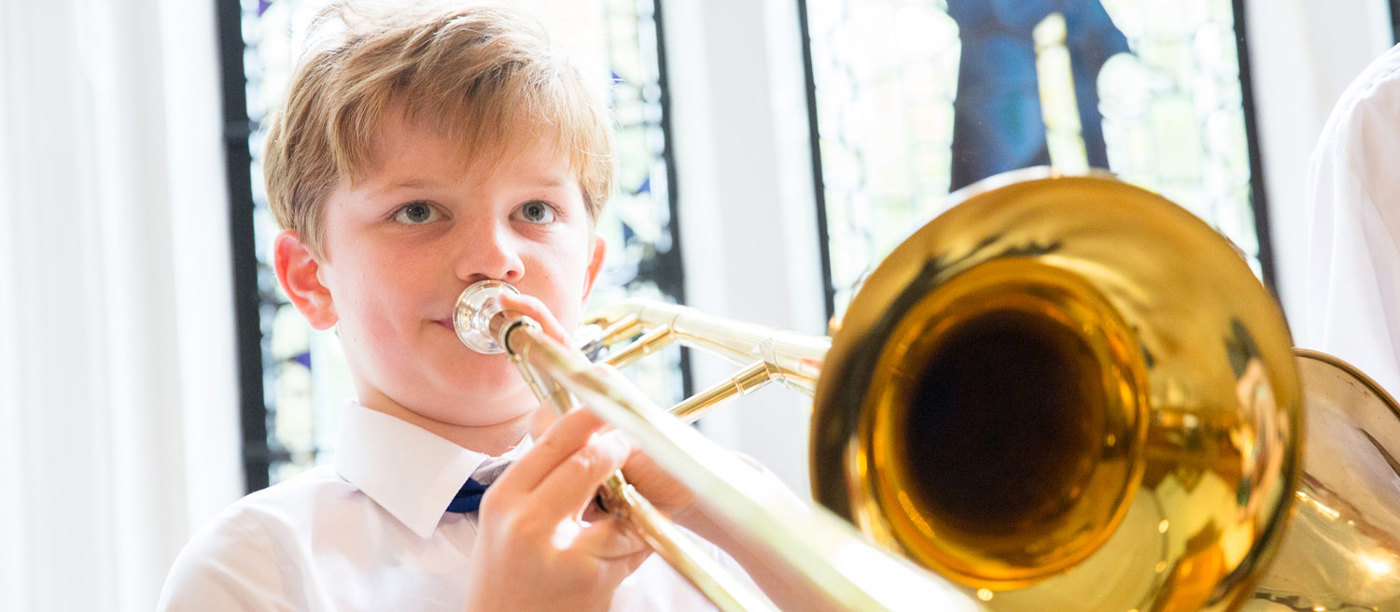
What to expect on our assessment days
We usually see boys in small groups, just one or two on a particular day and the atmosphere is informal and relaxed to put boys at ease.
During the day, Dr Margrett, Headteacher, will usually do some simple standardised tests in mathematics and English (reading and spelling). There is no need for any special preparation and the tests are based on material that would normally be covered within the National Curriculum at an appropriate level. Although boys need to be quick on the uptake if they are to thrive as choristers, we are not academically selective. We are looking for someone who responds well to a challenge, and someone we think will really benefit from the opportunities we can offer. Dr Margrett, or another member of staff, will also have an informal chat with the boy which is an opportunity for us to understand a little bit more about them and for boys to ask any questions they have about choristership.
Throughout the day, there is usually the opportunity to have a good look round the school, guided by some of our junior boys, and the chance to join some of the normal lessons taking place. This gives the boys a very good first-hand experience of what life at the choir school might be like. It also allows us to see how boys respond amongst peers, and this is a crucial part of what it takes to be a chorister.
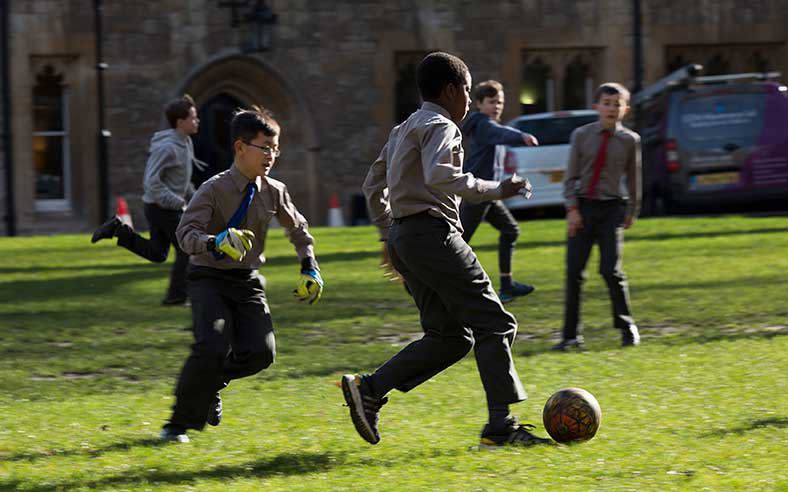
There is no need to dress up for the occasion. Wear something comfortable and bring a pair of trainers with you so that you can play on Dean's yard at break if you would like to. Don’t forget to bring your instrument if you have started having lessons, and some music to play. We don’t expect an advanced level of instrumental playing but often it is possible to see potential in the way in which a candidate approaches his playing.
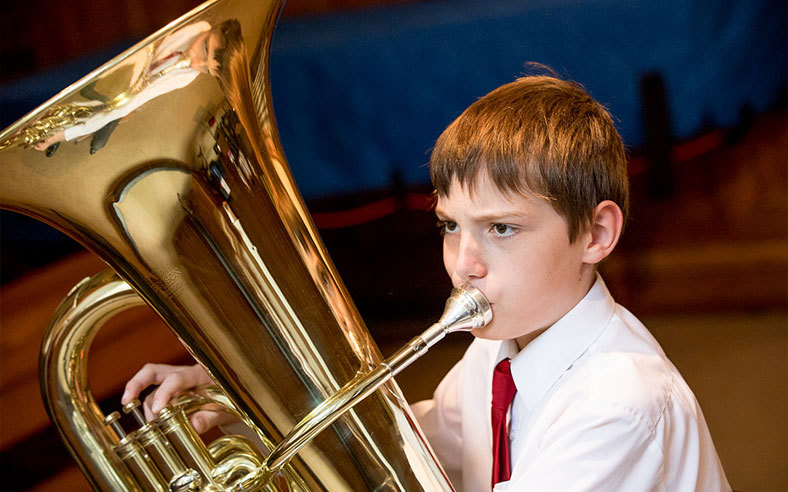
During the morning Dr Margrett, Headteacher, will usually do some simple standardised tests in mathematics and spelling. There is no need for any special preparation and the tests are based on material that would normally be covered within the National Curriculum at an appropriate level. Although boys need to be quick on the uptake if they are to thrive as choristers, we are not academically selective. We are looking for someone who responds well to a challenge, and someone we think will really benefit from the opportunities we can offer.

Mr Nethsingha, Organist and Master of the Choristers, together with one or more of the music staff will then audition candidates individually. This is usually a very enjoyable part of the day and he will do many of the same sorts of tests that he did at the preliminary informal hearing.
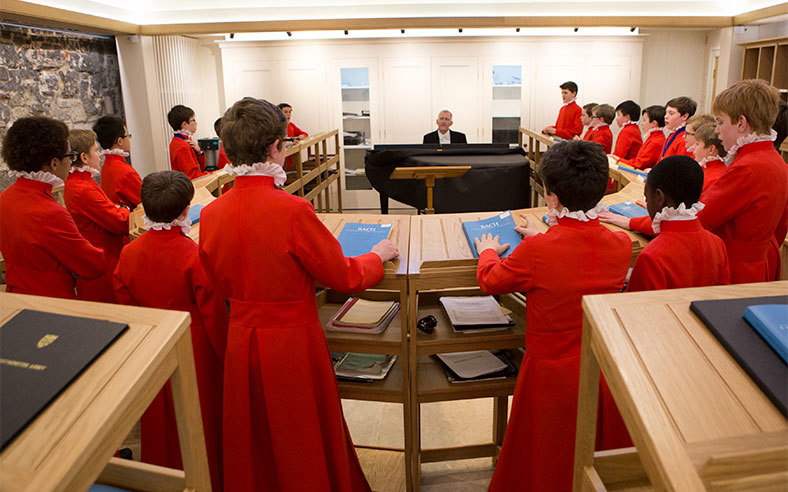
After lunch, there is usually an opportunity to have a good look round the school, guided by some of our junior boys, before joining one of the normal lessons taking place. This gives the boys a very good first-hand experience of what life at the choir school might be like. It also allows us to see how boys respond amongst peers, and this is a crucial part of what it takes to be a chorister.
The day usually finishes at about 3:30 pm, though sometimes, if candidates haven’t previously come to a service in the Abbey, they can stay for Evensong, sitting alongside the choir to experience what it might be like to be a real Abbey Chorister.